December 2025.
Bhutan is a punks paradise.
Who would have thought that rejecting conformity, questioning authority, and challenging societal expectations would be so prevalent in the Buddhist Kingdom of Happiness…except…maybe that’s the whole point.
The punk heart of the Himalayas.
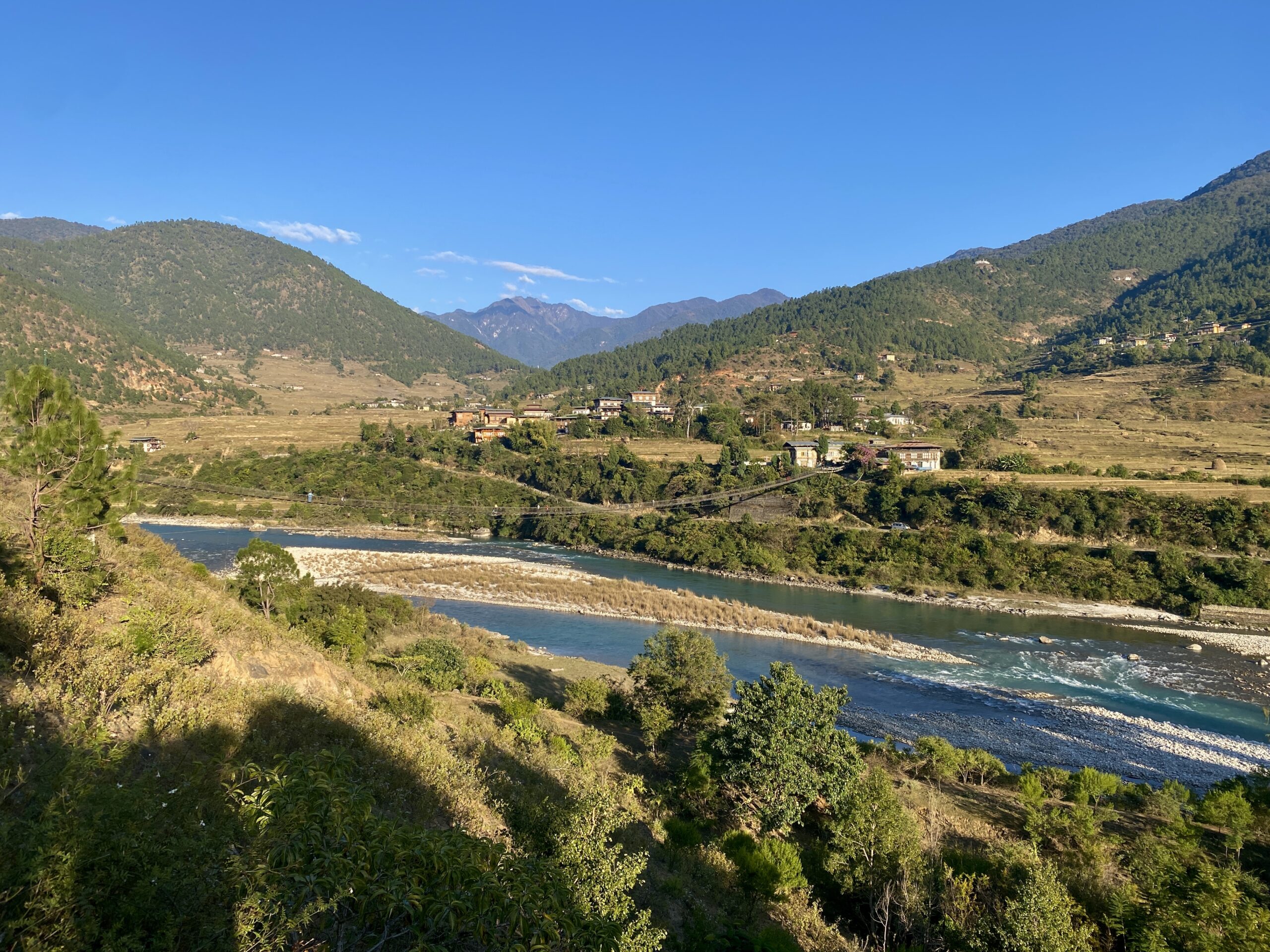
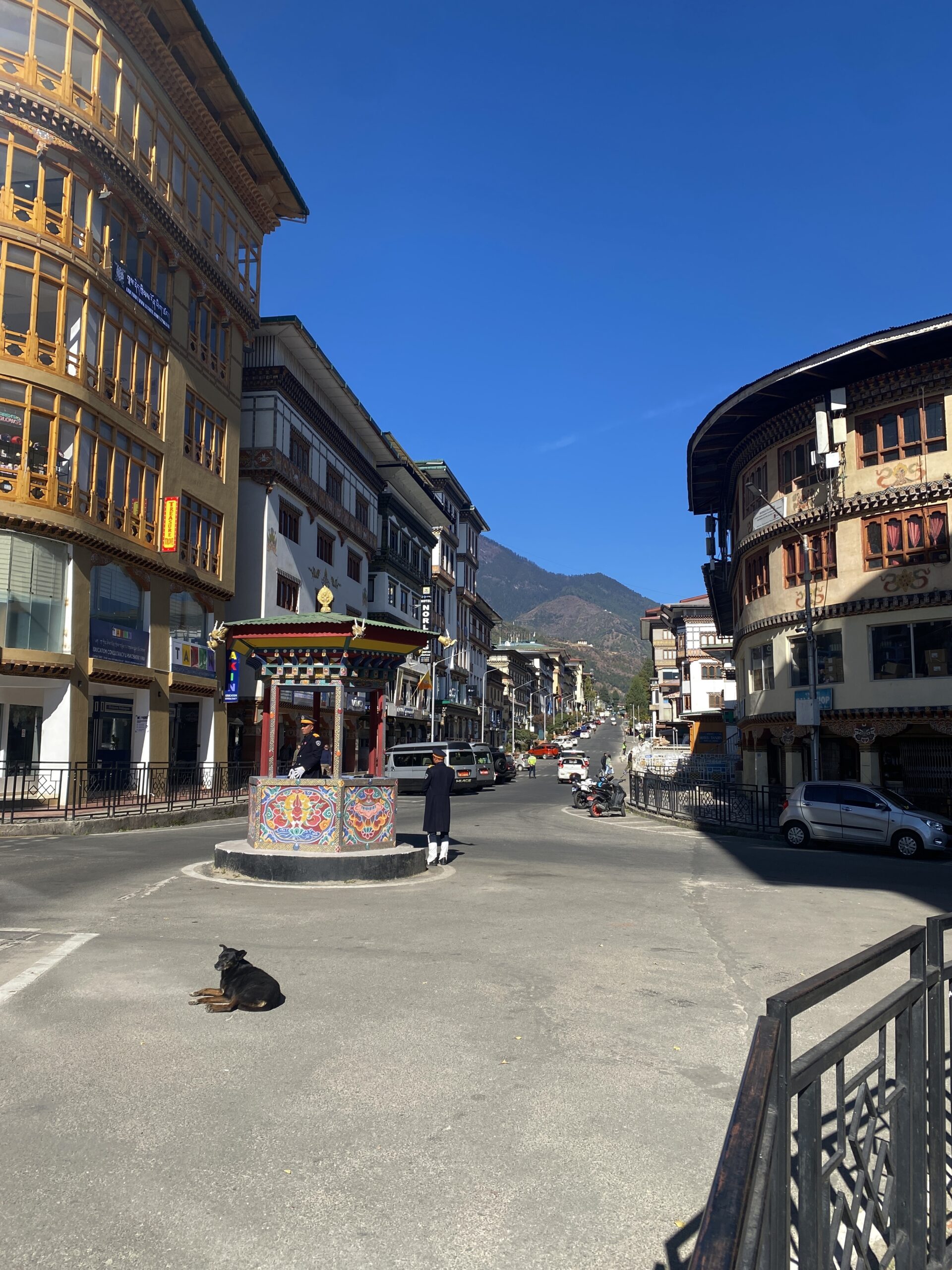
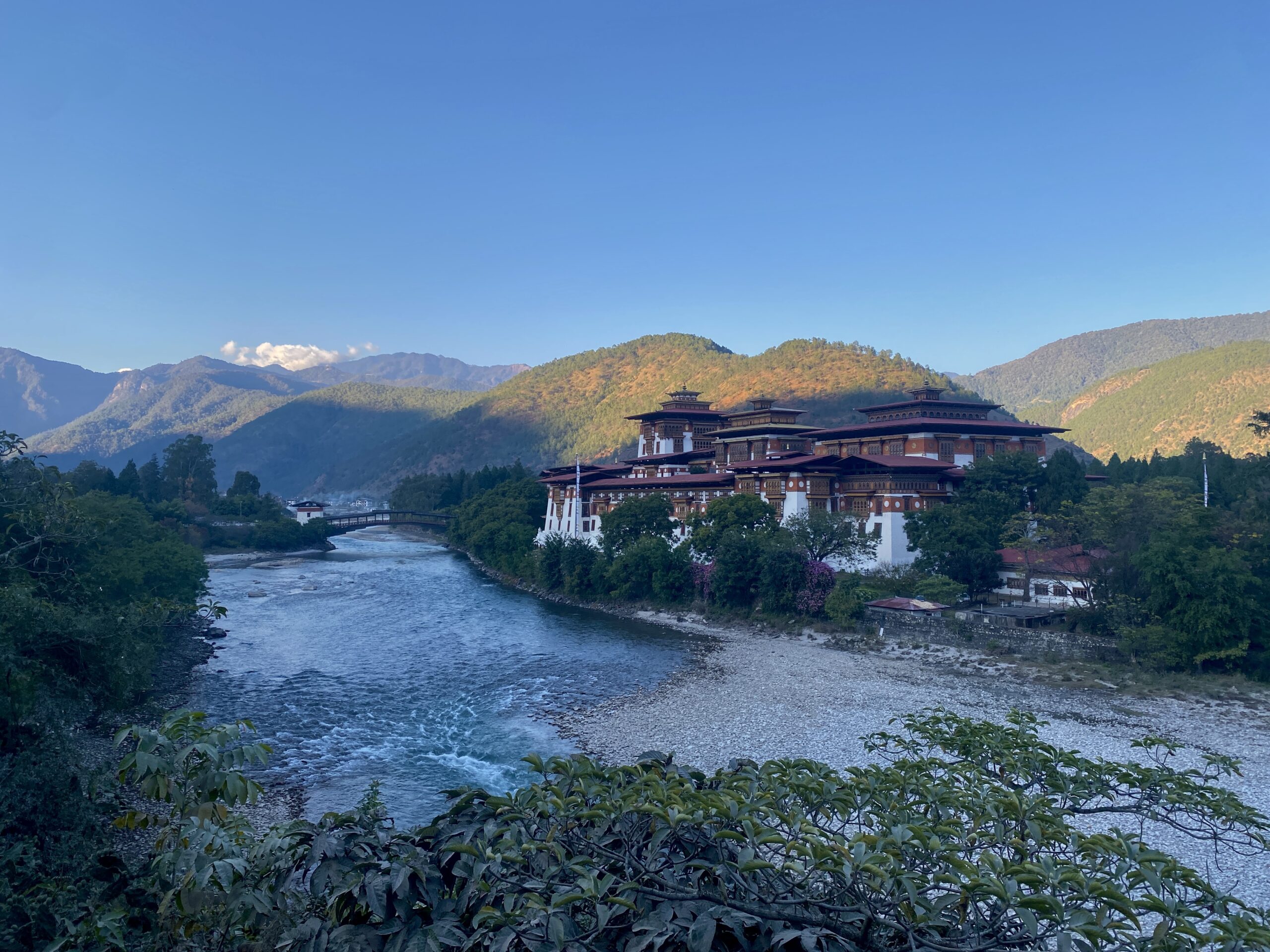
Bhutan is a small kingdom situated to the East of India and Nepal, tucked below the towering peaks of Tibet. For much of its history, it remained isolated from the world, shielded by rugged mountains and only opening its doors to tourism in the 1970s. On the surface Bhutan appears calm; the population is sparse and extremely respectful, there is no traffic, little noise, and it holds a culture deeply rooted in Buddhism. Visiting this country was a serene experience, so why am I likening the harmonious society to a culture known for its aggression and intensity? Because beneath the calm exterior it doesn’t take long to realise there’s much more depth to this kingdom that may not be apparent at first glance. There are many beautiful contradictions that challenge global norms and redefine what progress means. Bhutan’s way of life is a quiet rebellion against the values that dominate much of the modern world. Let me explain.
We’ll start by addressing my definition of punk as this can vary within the subculture, often with no right or wrong answer. For many it is associated with activism, anarchy, and a critique of capitalist systems, basically a call to stand up for what you believe in. For others, it is rejecting conformity, questioning authority, and challenging societal expectations. This certainly rings true for me. I believe punk is having the power to be yourself unapologetically and living a life that is different from what is expected by society.
From my short time in Bhutan several factors contributed to my take of it being a ‘punks paradise’, surprisingly a large part of this comes from Buddhist teachings (sounds crazy I know) which reveal more parallels than you would expect, alongside its infamous attitude towards tourism and economic growth.
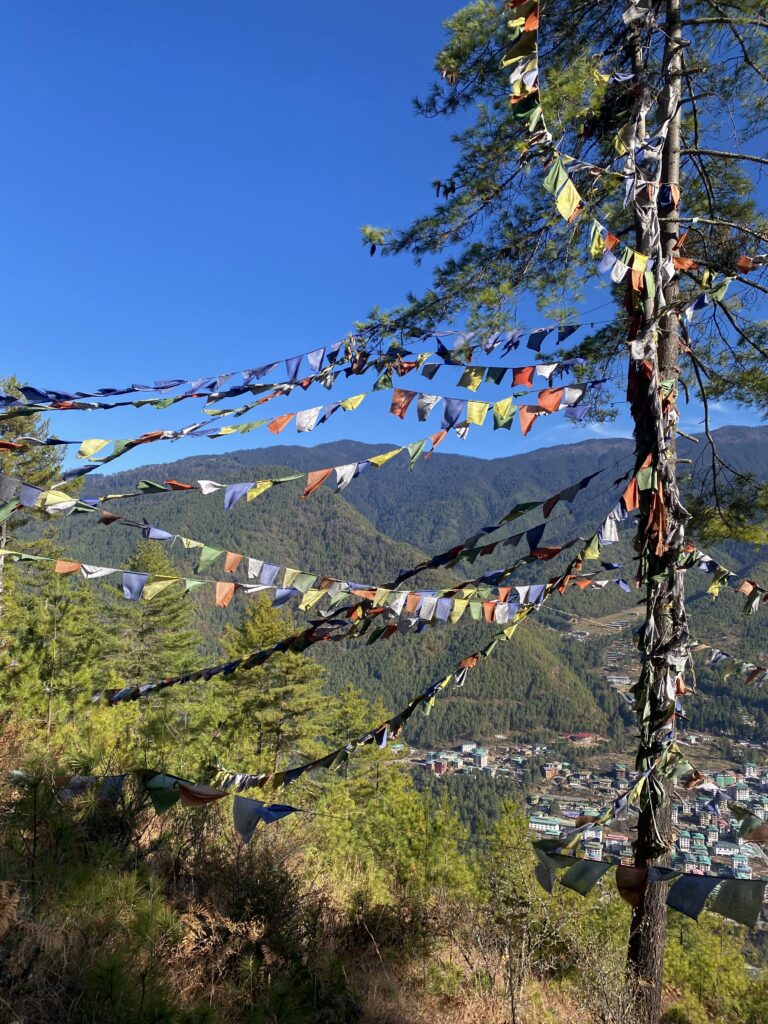
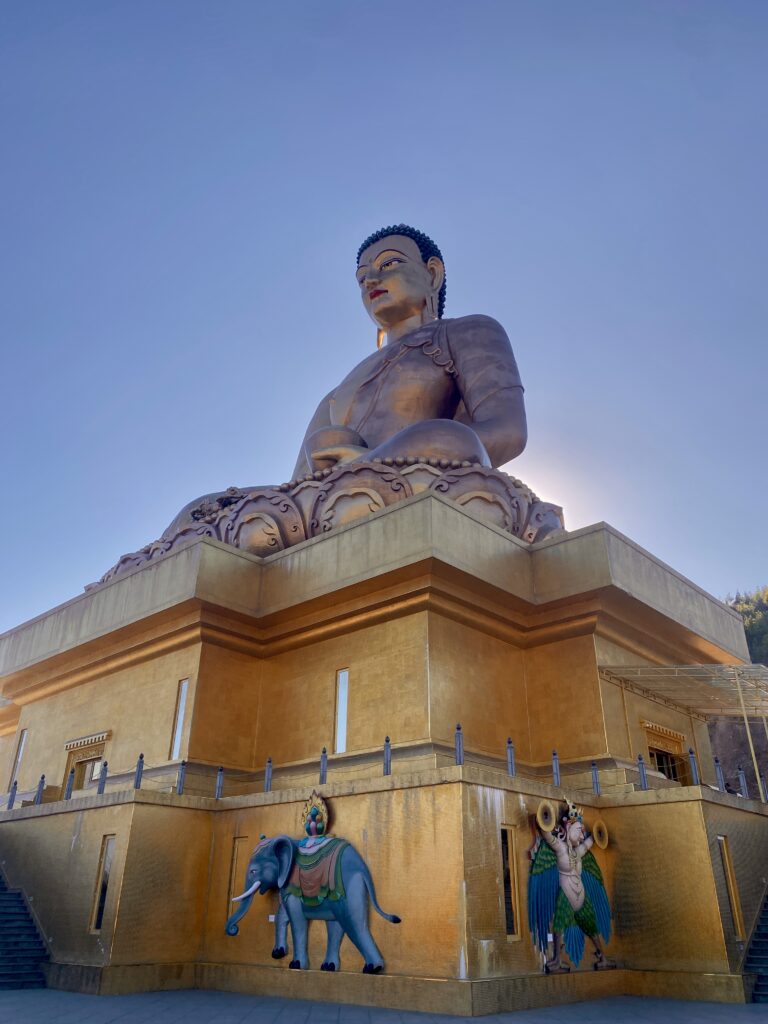
Buddhism is all about looking inward, and from what I’ve gathered, the essence is being able to control your mind so that you are not controlled by your environment. Avoiding negative feelings like greed, hatred, and ignorance and channelling them into something positive is one of the essential teachings. Another key idea is the art of detachment, nothing in this life is permanent. Everything ends eventually, so when you’re not clinging to feelings, or people, and can let go and move forward, you move closer to peace. This detachment extends to our possessions; we don’t need to purchase excessively or indulge in things we don’t need. Our wardrobes are overflown with clothes we rarely wear, with shoes we bought on impulse, our homes are filled with duplicate kitchenware, stacks of unread books, and decorative items that add little value beyond aesthetics. This notion of turning away from consumerism is most certainly adopted by both cultures. Buddhism teaches detachment from both feelings and material possessions, reminding us that nothing is permanent and that peace comes from letting go, while punk echoes this rebellion against consumerism through its encouragement of DIY and rejection of luxury. Both advocate for simplicity and authenticity. I would say these factors are rooted in having personal freedom, away from assets.
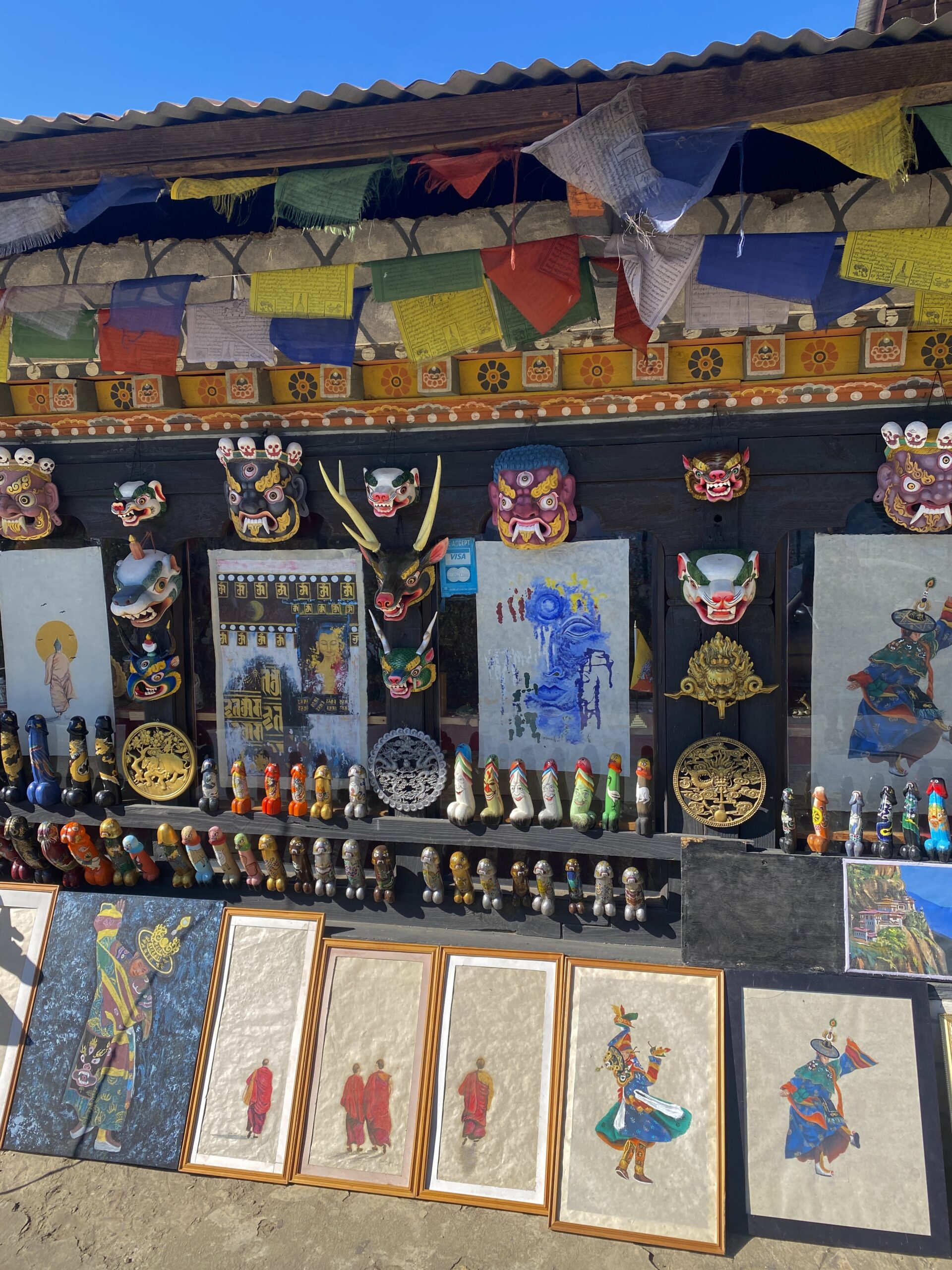
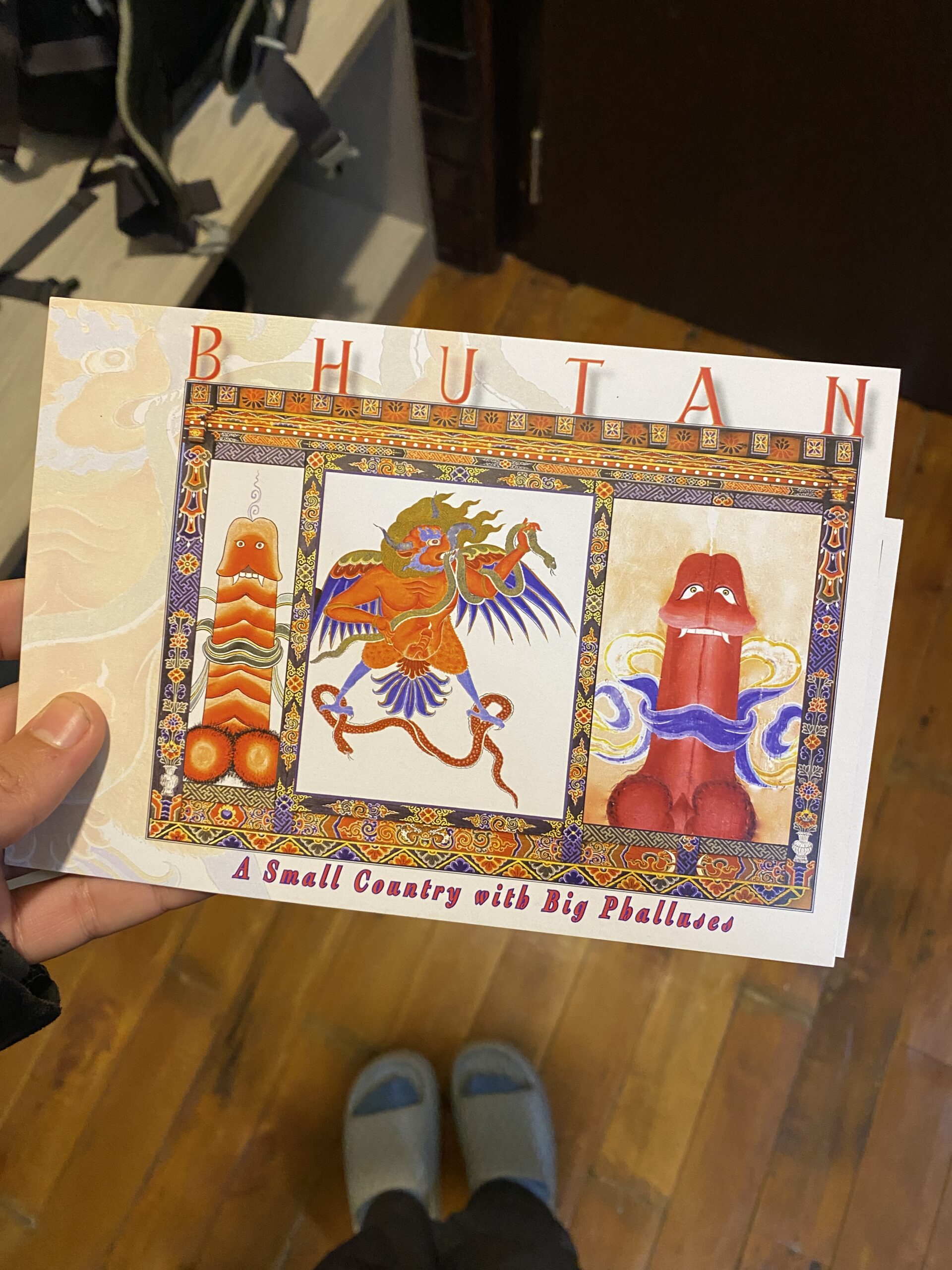
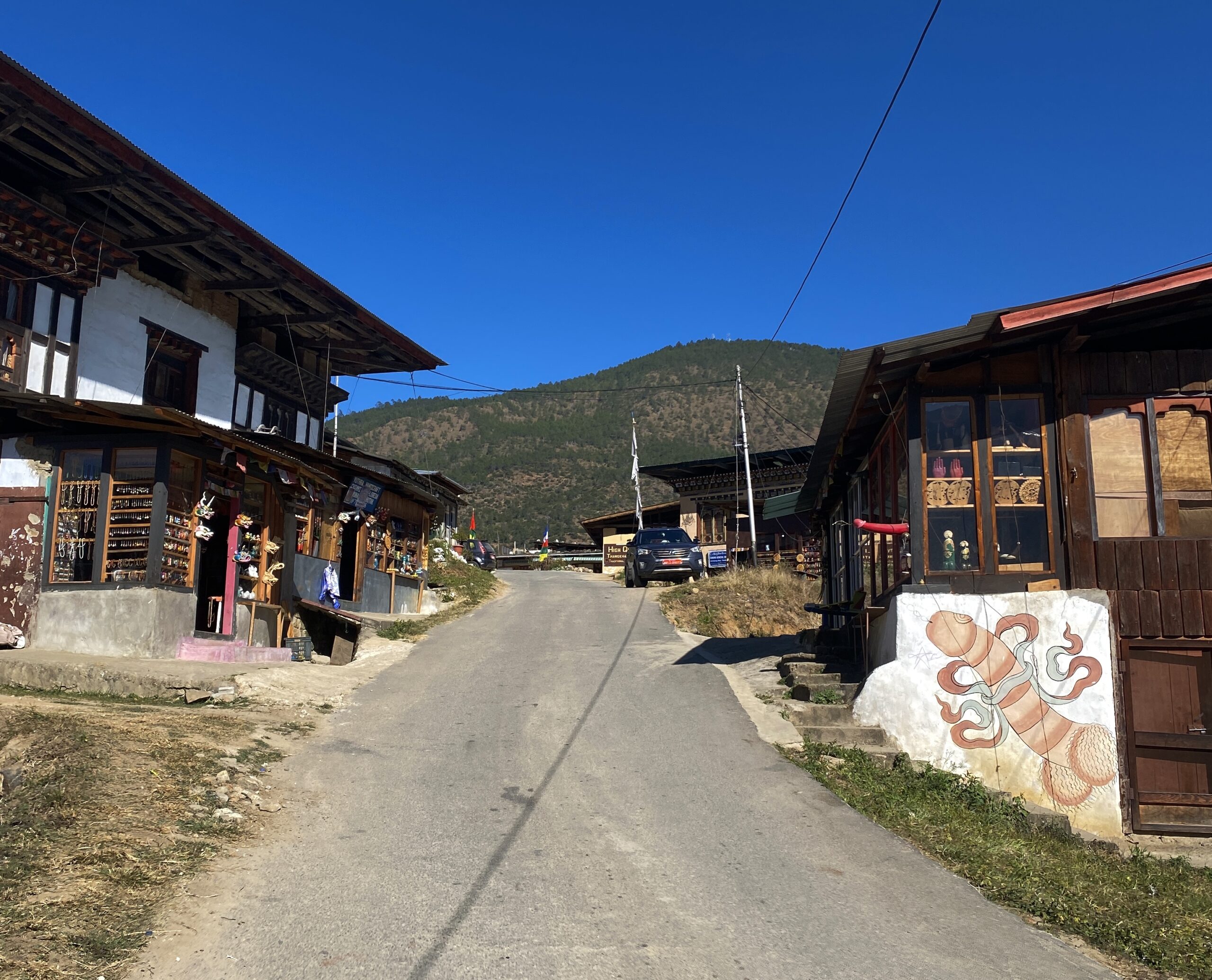
The most thought-provoking aspect my time in Bhutan – and the muse for this post – were the teachings of Drukpa Kunley, more famously known as the ‘Divine Madman’. He was an individual who lived in defiance of convention, deliberately behaving in ways considered to be outrageous such as drinking, pursuing sexual desires with many women, having a dark humour and openly confronting authorities. There are many stories showcasing this in action, yet each act carried a purpose of showing that wisdom is not limited by convention. You can be brash and bold, even considered crazy, and still embody profound knowledge and compassion. Despite his wild image, Kunley was known for helping people in unexpected ways, insinuating that caring for others doesn’t always have to look ‘holy’ or follow a certain script. By rejecting norms, he demonstrated a life free from fear and attachment. His stories encourage followers to question what they know to be true, carve their own path, and to seek understanding through experience rather than follow in blind obedience. For an ancient religion this message feels radical and quite profound. I supposedly met the reincarnation of this man, but that is a story for another time.
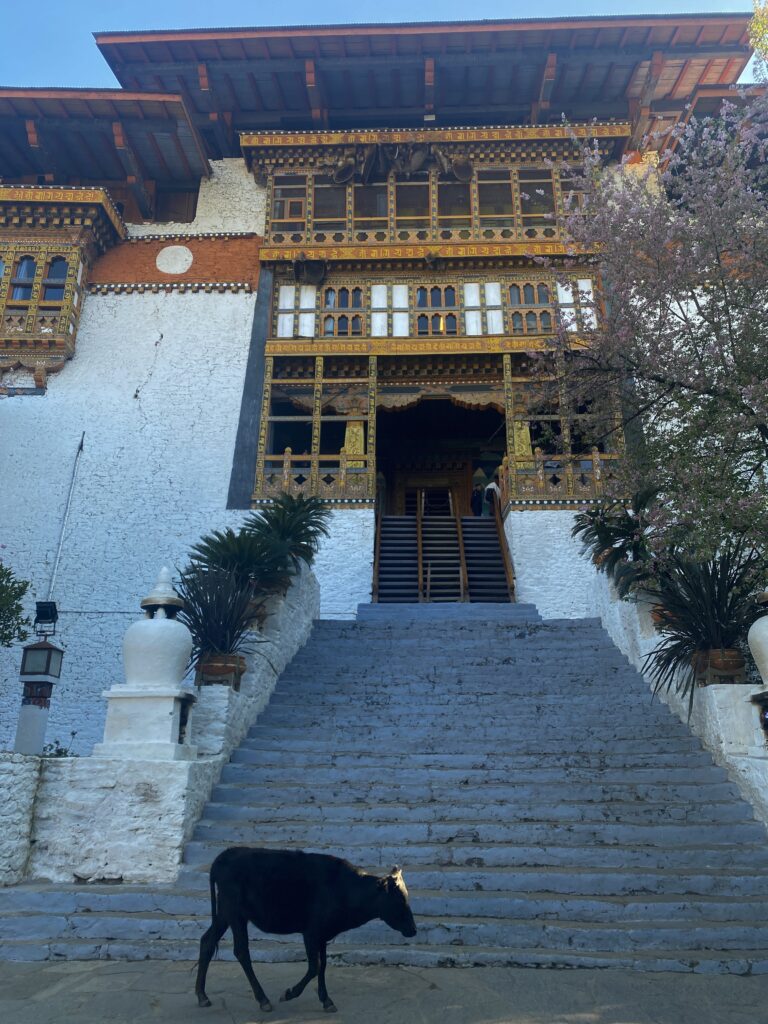
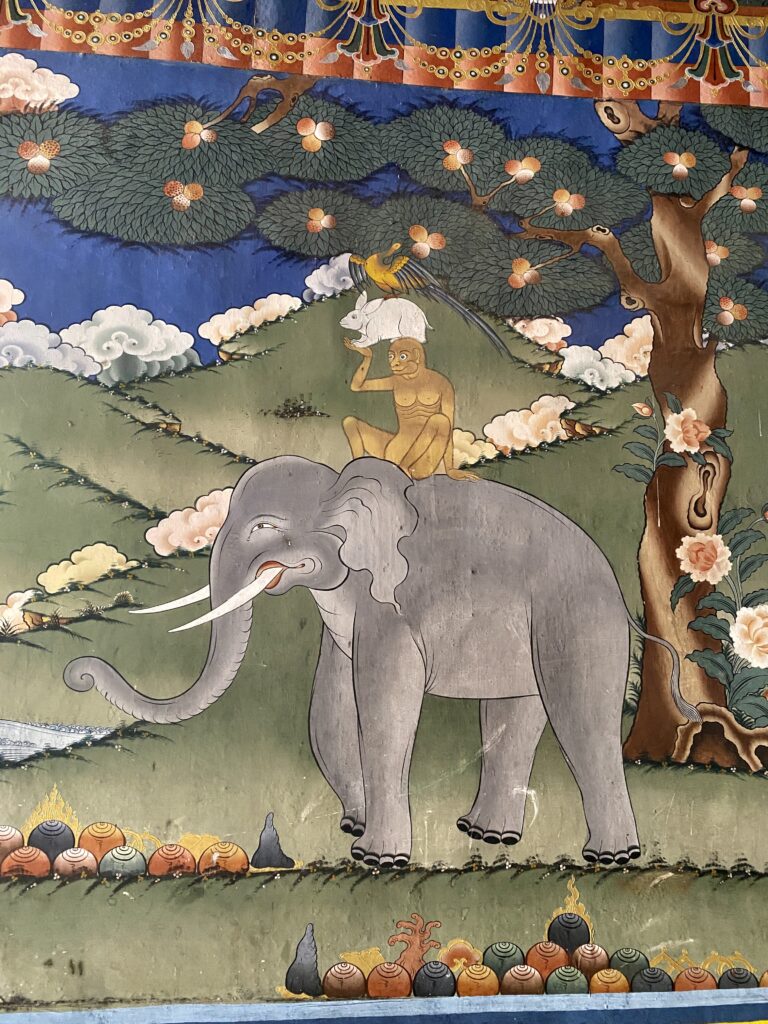
Another Buddhist story that resonated with me, away from the Divine Madman’s teachings, was the tale of the Four Harmonious Friends. It tells of an elephant, a monkey, a rabbit, and a bird who share the fruit of a tree they all helped to grow. The bird first dropped the seed. The rabbit protected the sapling. The monkey fertilized and cared for the tree. And the elephant, tall and strong, shielded it from harm. At first, they argued over who deserved the fruit, but soon realised that each had contributed equally, showing that harmony can bring shared success. In addition, each of the friends purposely come from a different species with different abilities, sizes, and strengths, all contributing something different, yet something valuable. To me, this represents equality and individuality. What is more punk than that? Despite the aggressive aesthetic, punk often carries a message of peace and inclusivity, especially in terms of standing up for marginalised groups and celebrating people’s differences – just like the four friends. In Bhutan, this image is everywhere, often painted on doorways and entrances as a symbol that everyone is welcome.
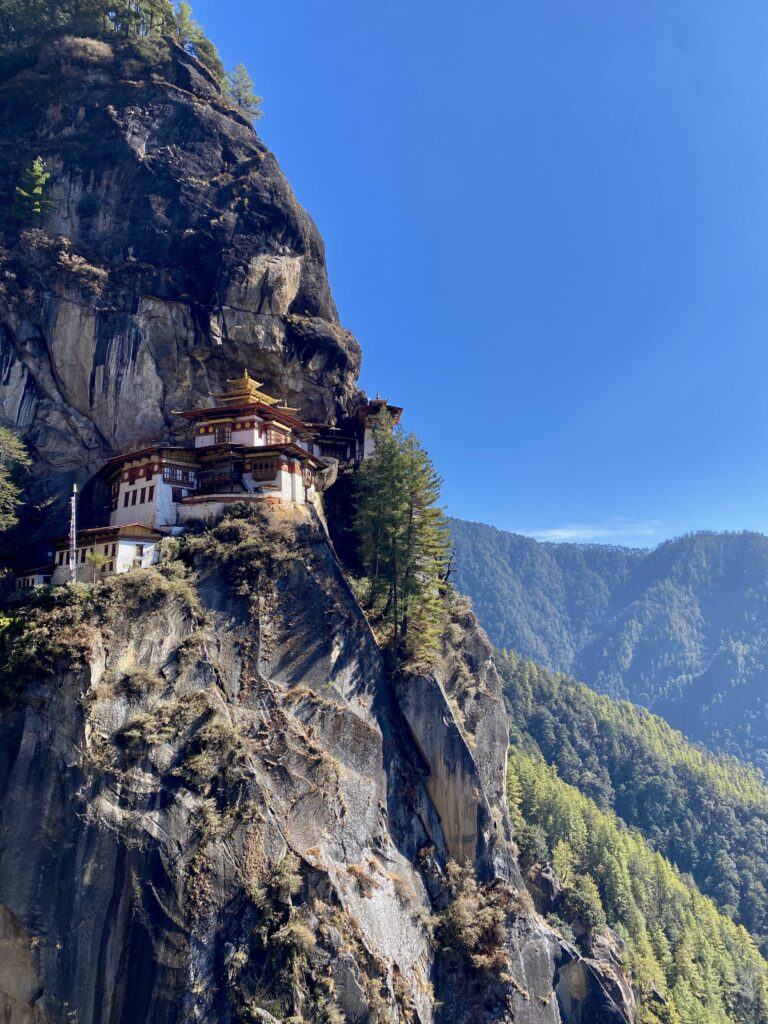
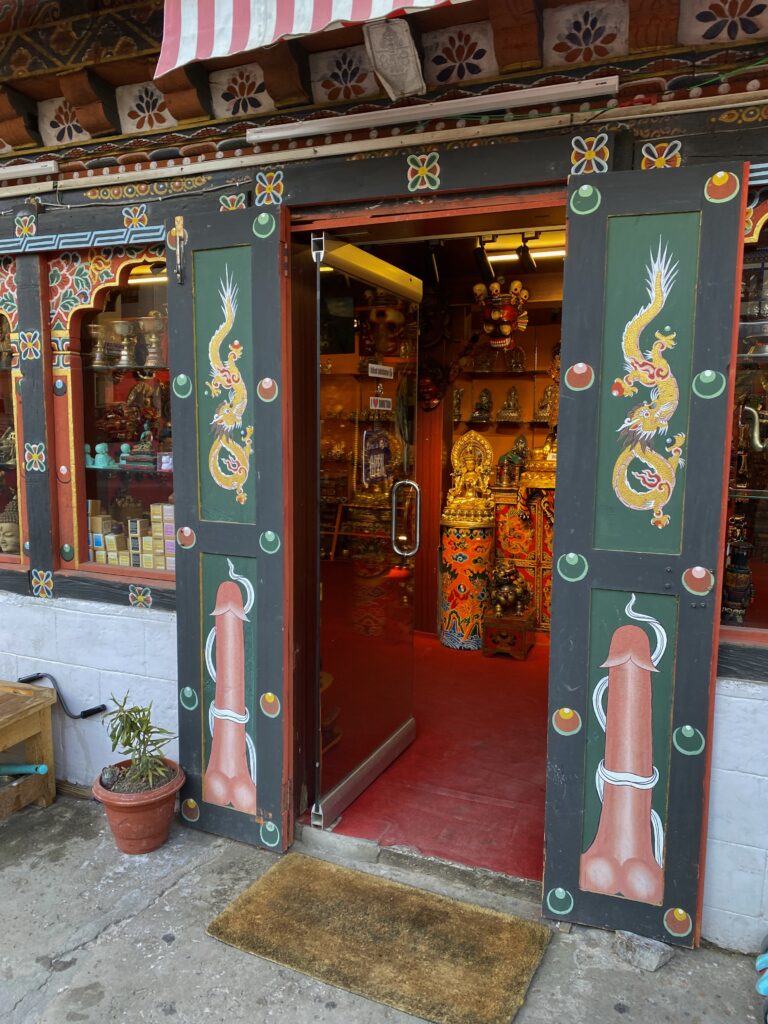
Moving away from religion, Bhutan is rebellious in countless ways, as a nation it doesn’t seem to prioritise profit as much as the rest of the world. Famously, they focus on Gross National Happiness over Gross Domestic Product, placing their citizens well-being above economic gain. It is based on the idea that development must first serve the people, thus challenging capitalist norms by saying that happiness is more important than growth. They also have a ‘high value, low volume’ approach to tourism, meaning that they deliberately limit the number of tourists allowed in the country. A 150-dollar fee is required from tourists (each day) and used to fund education, healthcare, and environmental conservation. This fee discourages budget tourism and ensures that visitors contribute positively to the country. By keeping tourism exclusive and regulated, Bhutan ensures visitors experience its traditions, festivals, and landscapes authentically. They would rather preserve their culture and identity than become the next big travel destination. This approach is anti-mainstream and fiercely protective of individuality, much like punk’s resistance to selling out. Bhutan refuses to compromise its values for popularity, it’s unconventional and intentionally rebellious. Extremely punk in spirit.
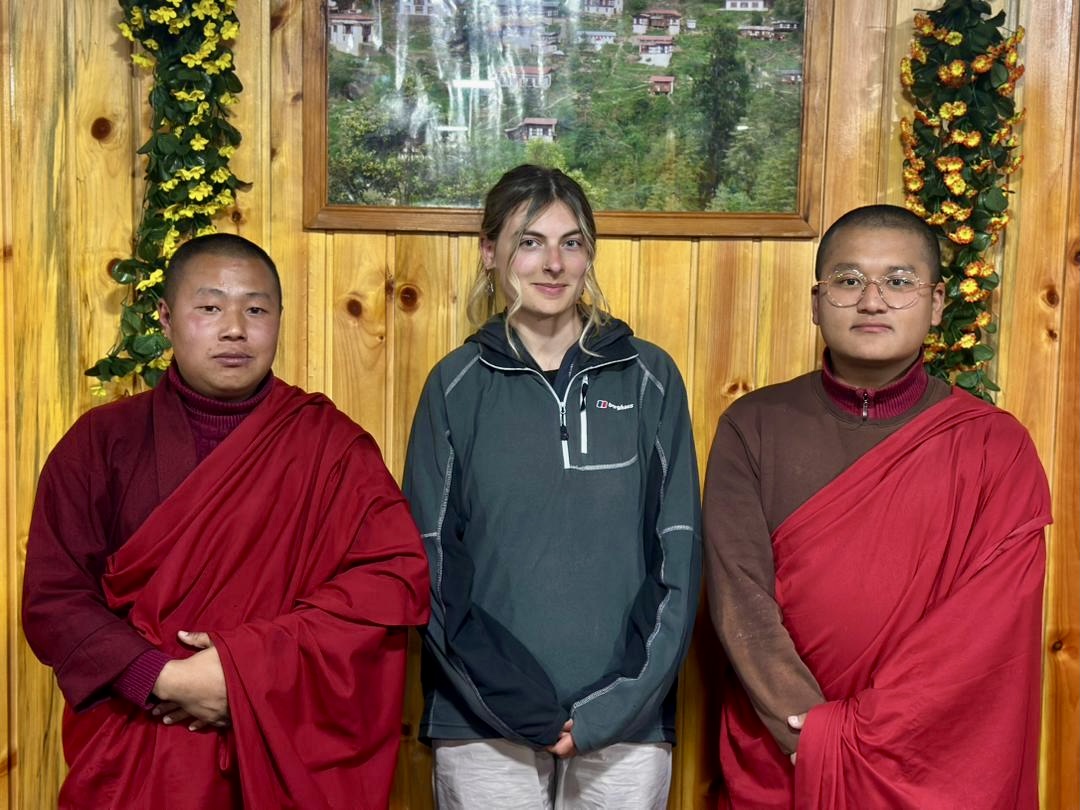
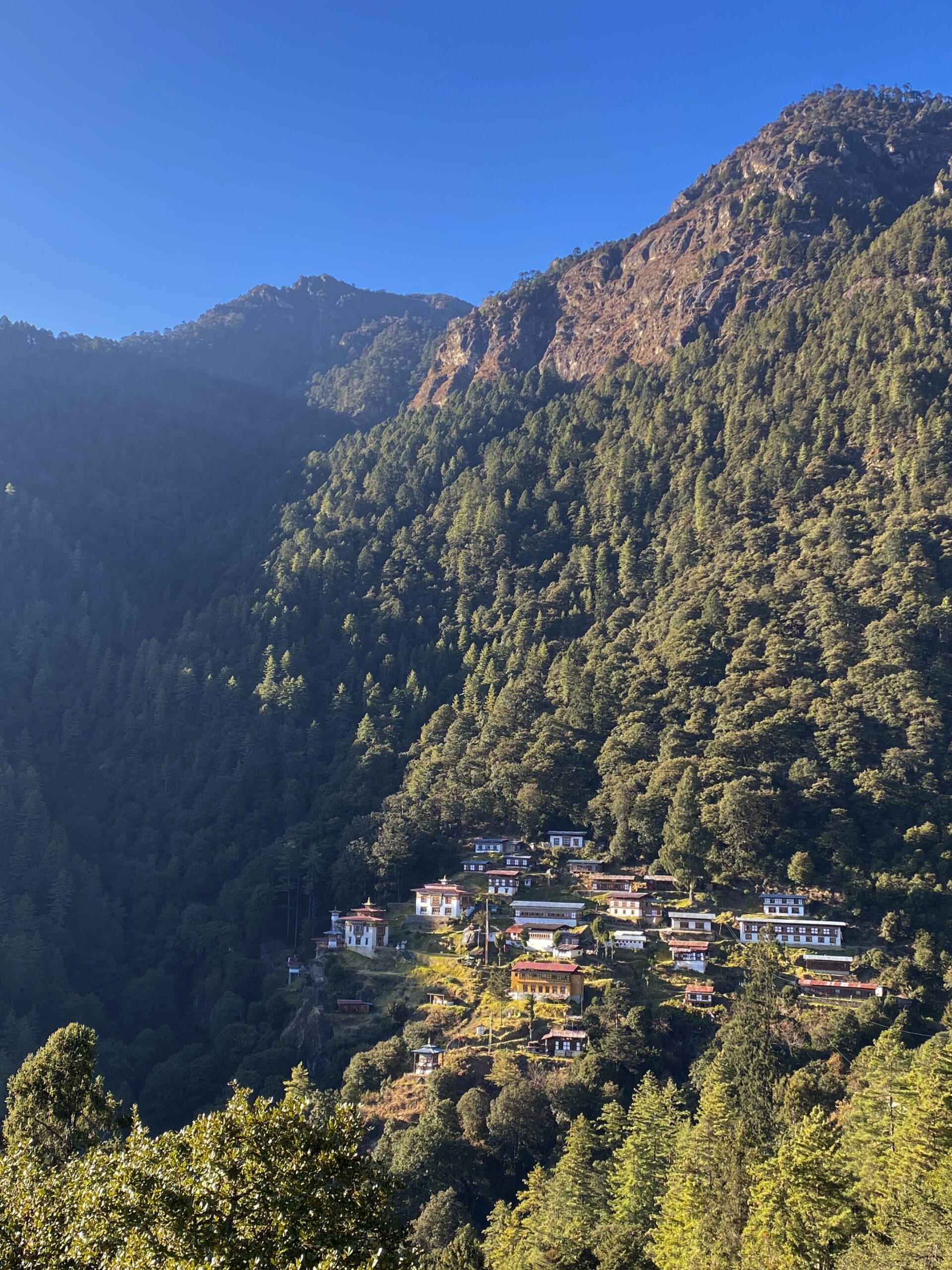
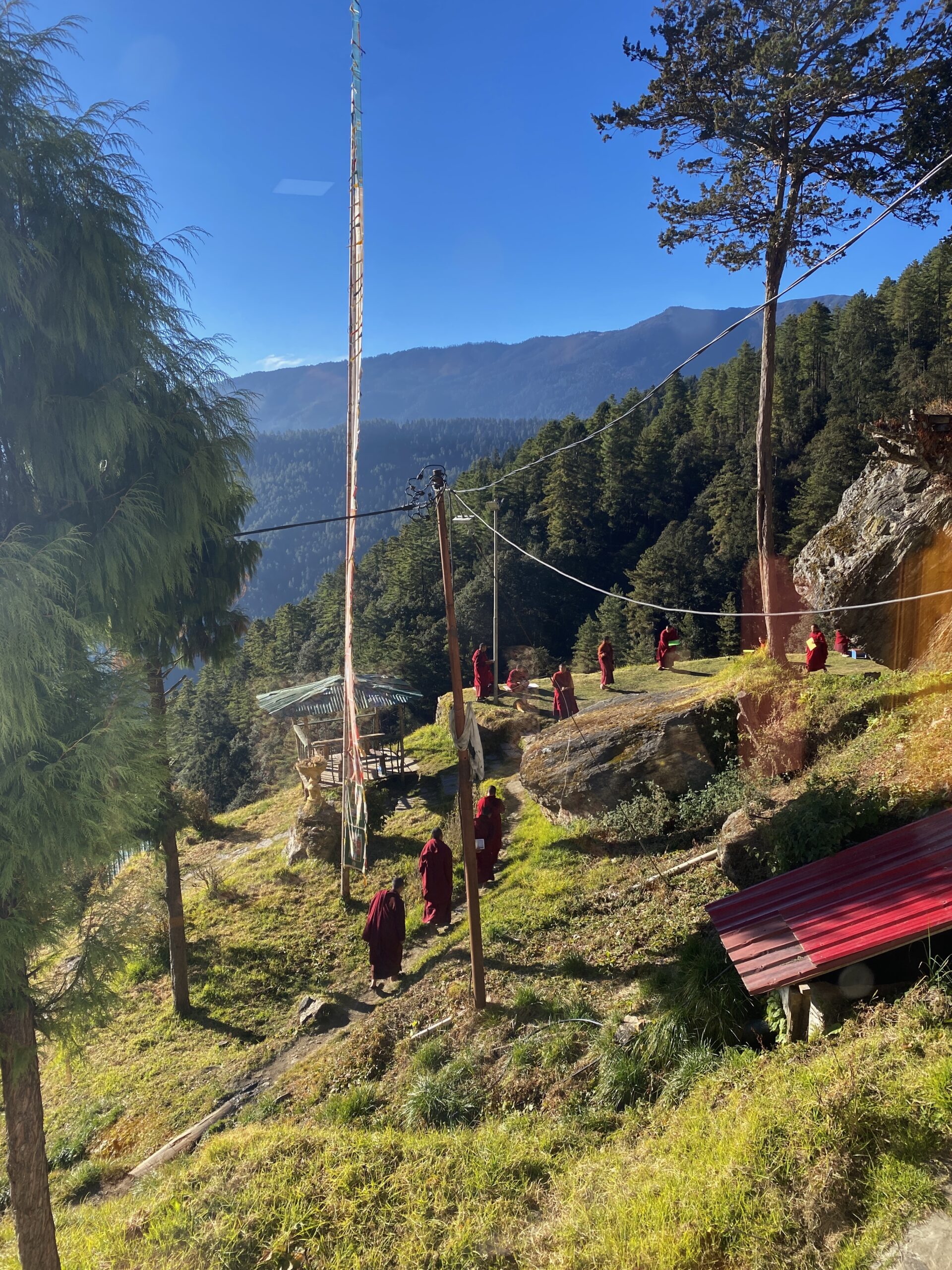
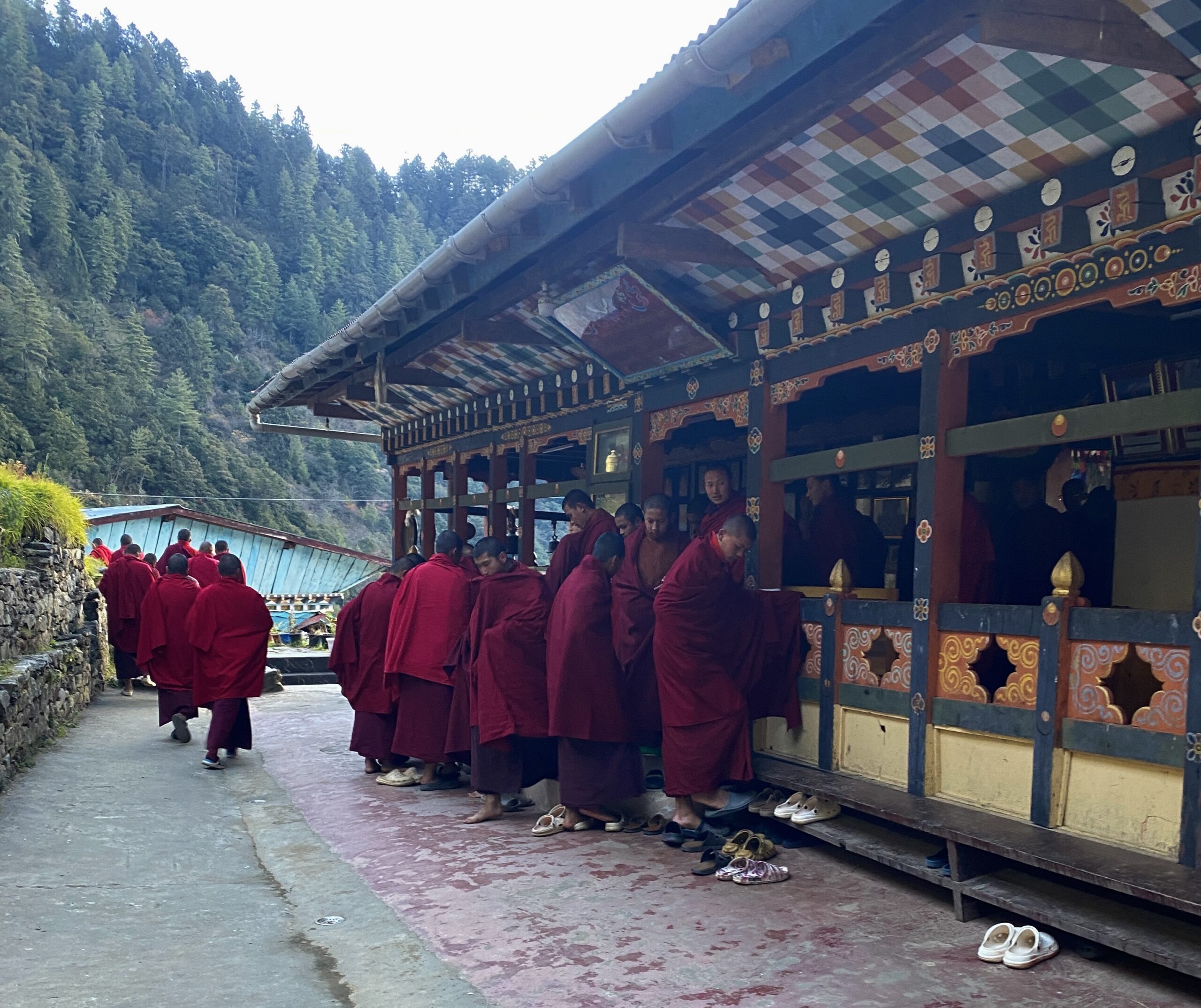
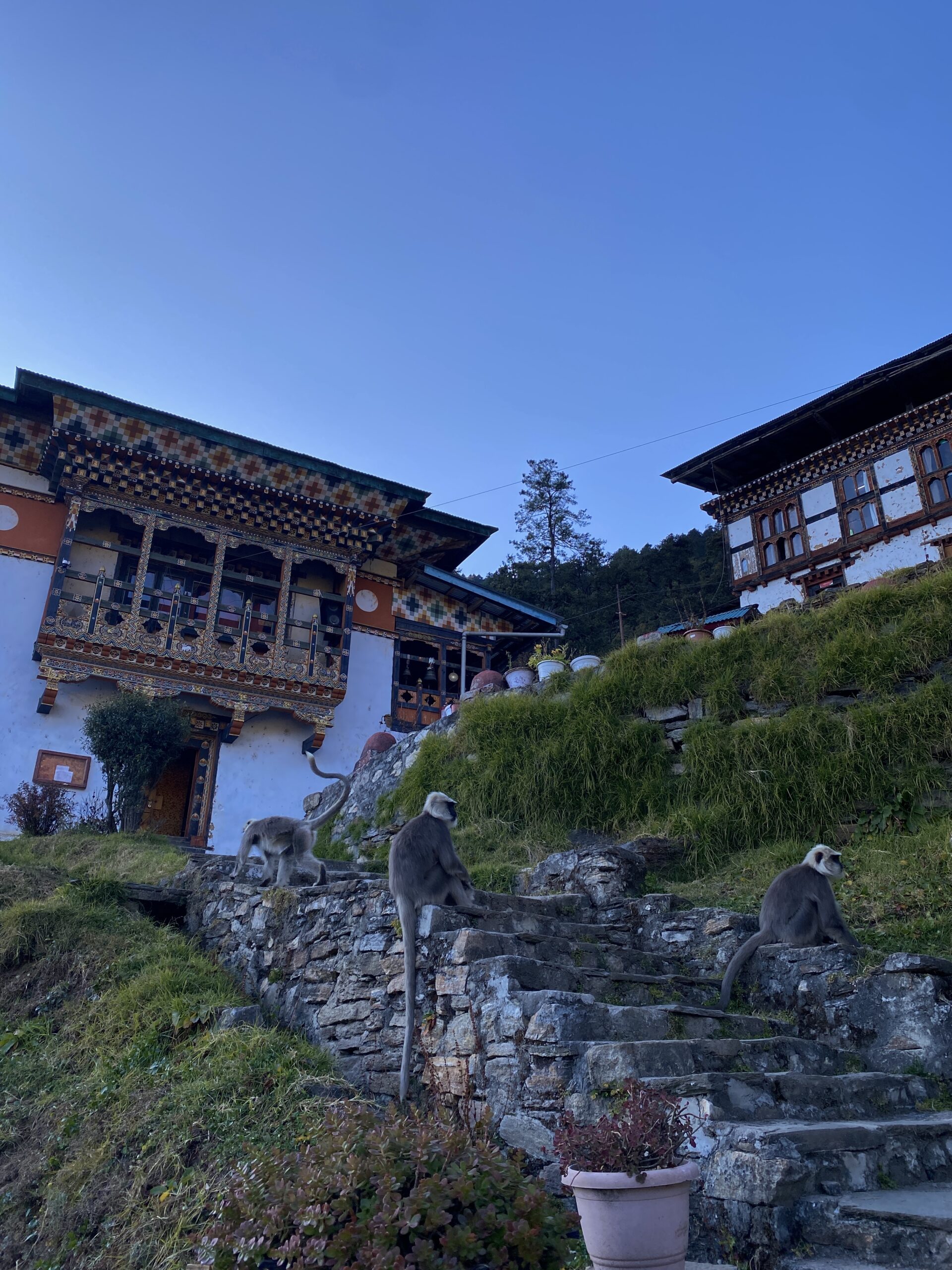
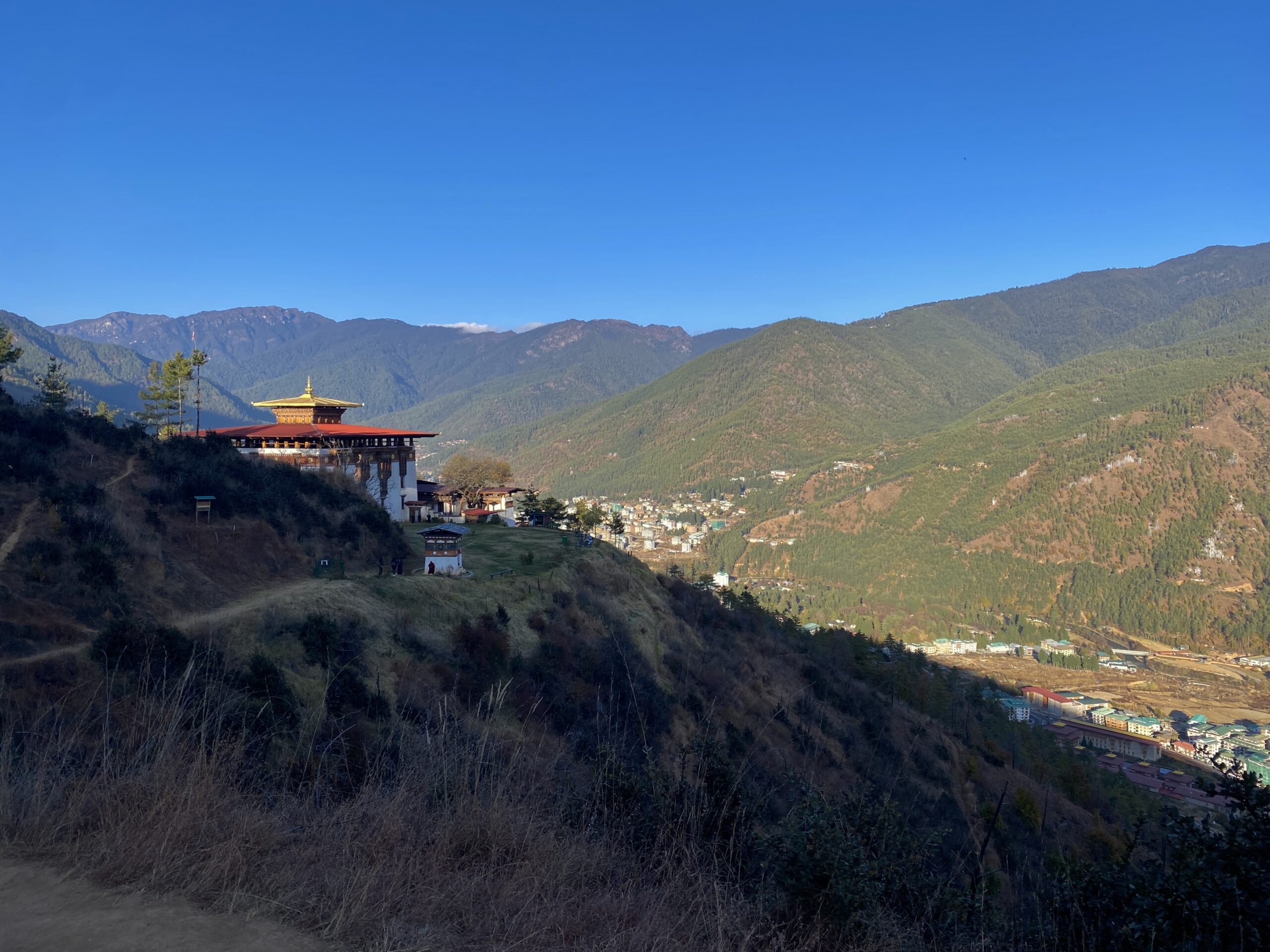
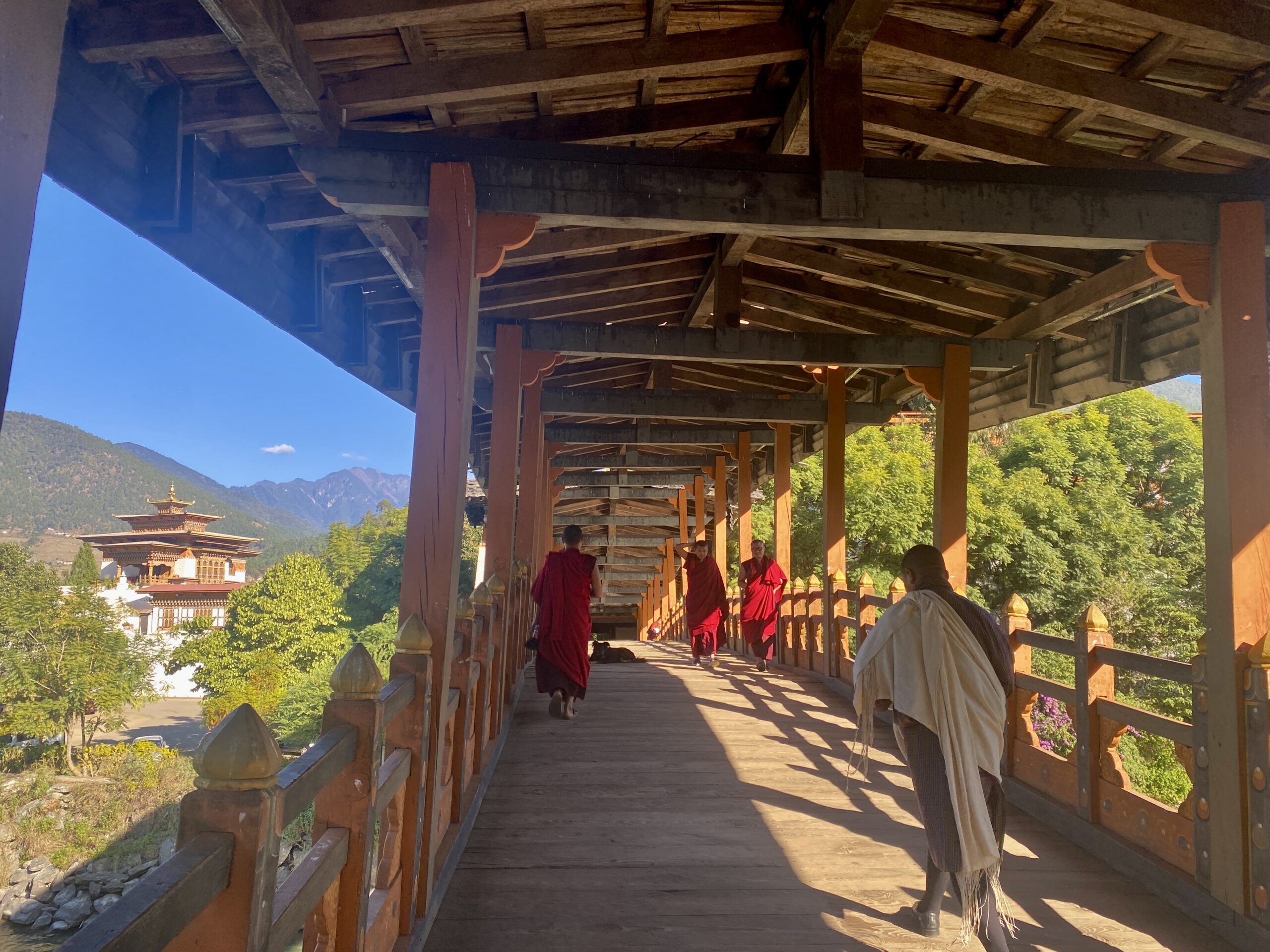
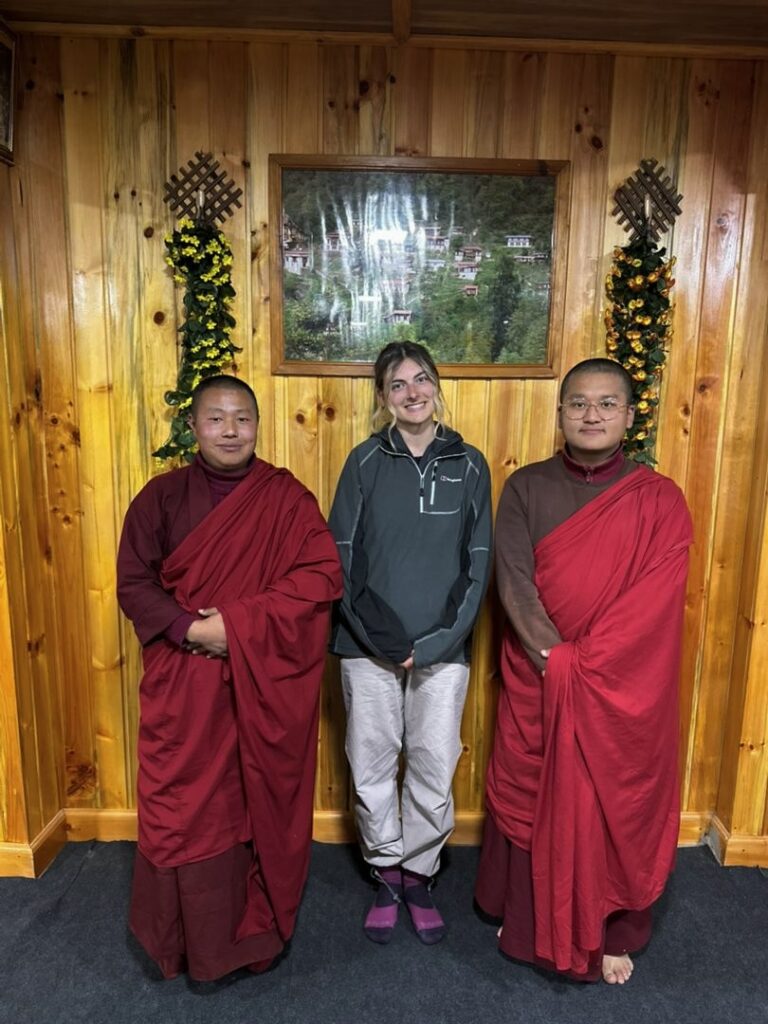
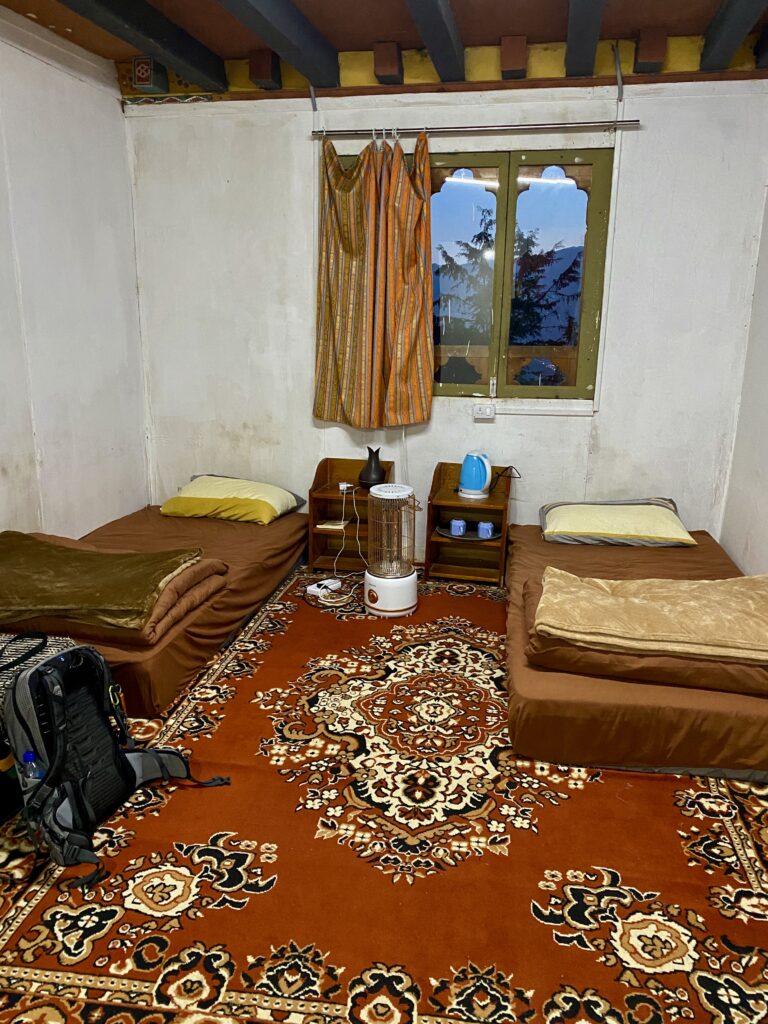
Lastly, I want to reflect on the interactions I had with locals living within the very reality I’ve been describing. I was fortunate to share stories, laughter, and perspectives with some monks in a monastery perched at an elevation of 3000m, above Thimphu, the capital city. It was a warming experience where conversation flowed effortlessly, feeling more like I was catching up with old friends rather than conversing with Bhutanese monks for the first time. Despite all being from very different walks of life, we all came together for these few hours like we’d known each other for years. Although it seems obvious now, I came to understand that monks are ordinary people just like you and me. Initially I put them on this pedestal of religious superiority, where they were wise and untouchable, seeming rather intimidating to a low life like me, yet through open conversation I learnt they wrestle the exact same challenges we do. During our conversation, I admitted my struggles with meditation, expressing how I can’t sit still, stop my mind from drifting and get bored very quickly. The monk smiled and said, “Me too.”
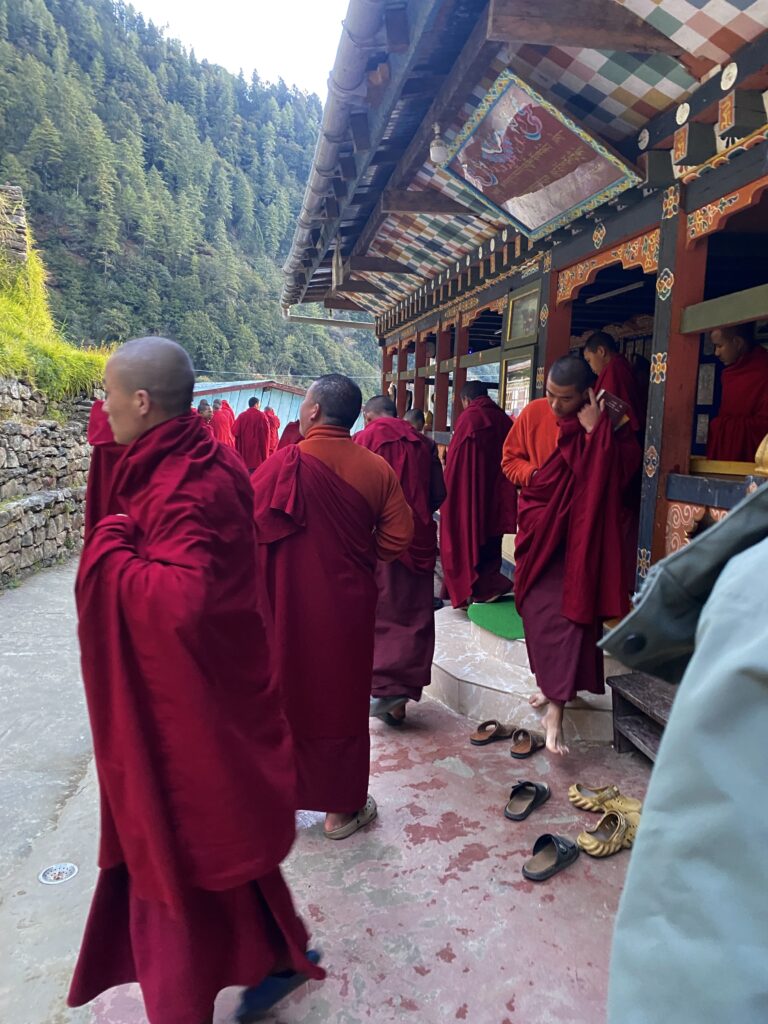
I sat in during their morning prayer and witnessed that (not always, but sometimes) they can feel tired or unfulfilled, and will nudge their friends and whisper, just like we did in school assemblies. They love new age Bhutanese rap and hip hop. They catapult themselves down hills like they’re running for their life. They eat the hottest chillies like it’s a ready salted crisp. Yes, they may have more empathy, patience, and awareness, than a lot of people, over my time I was truly touched by their kindness and hospitality. But they’re still humans with real struggles, real passions, real interests, like we all are. Pretty badass if you ask me. I think a lot of them would appreciate Rage Against the Machine. I wish I showed them Enter Shikari.
Bhutan, of course, is multi-faceted, and there’s so much more to its culture and identity than this punk-like parallel. This reflection comes from a short experience, a thought that played in my mind, and it’s not meant to simplify Buddhism down to a metaphor. Bhutan has been unique, loving, intriguing, and surprising to me. Comparing it to something else I find solitude in is a compliment, and I mean no harm or ignorance to its beliefs. I hope to return one day and dive even deeper into the Land of the Thunder Dragon.
If you plan to visit Bhutan, please remain respectful towards the locals and our planet Earth. We are all one.
Peace and love, E xxx
Photo Gallery